

The Future of EV Charging: Why CPOs Need Smarter Software
The Future of EV Charging: Why CPOs Need a Smarter Software Platform in 2026
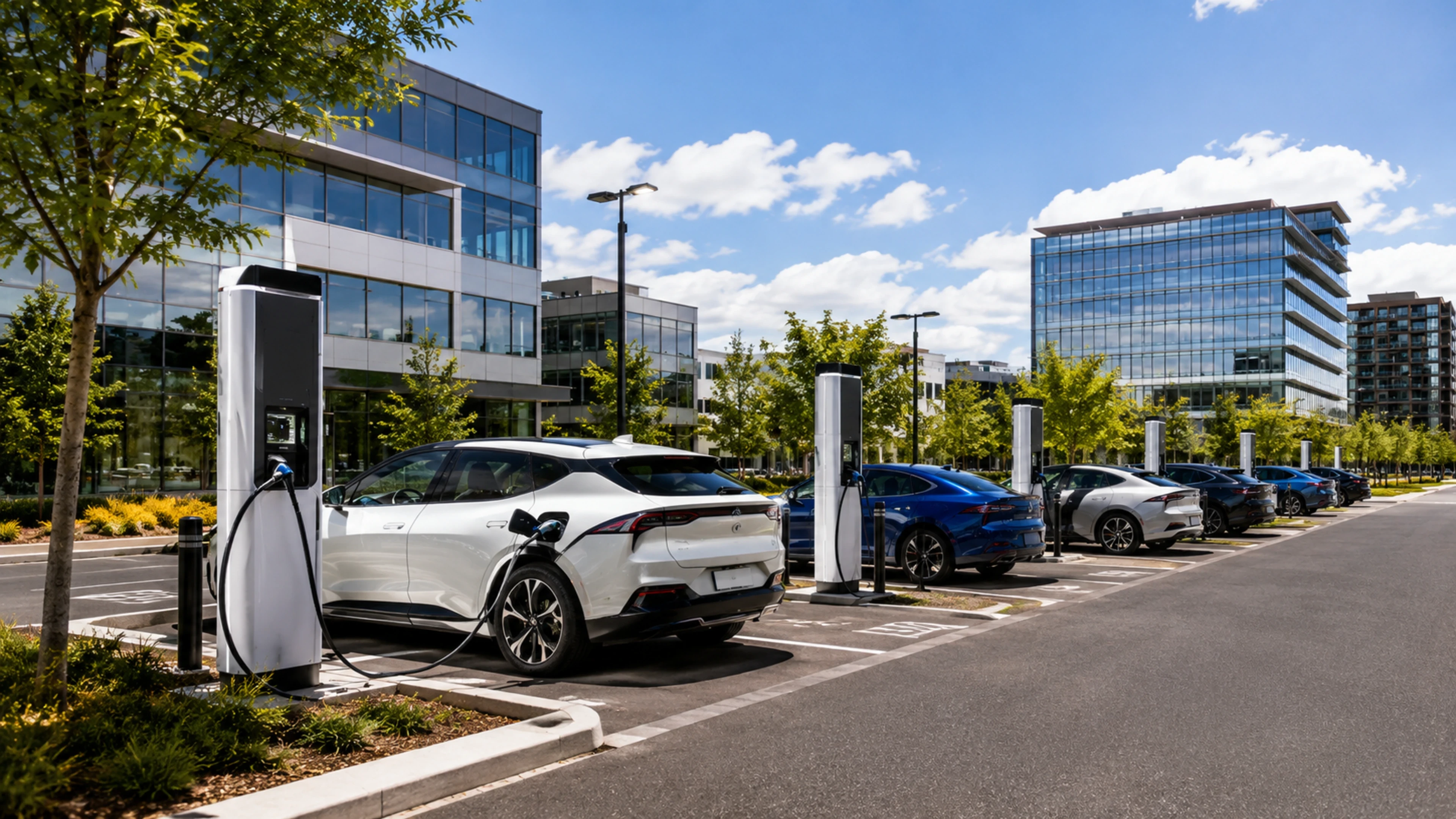
Installing chargers builds a network.
Smart software keeps that network visible, reliable and ready to scale.
By Nexinev • 5-minute read
Electric vehicle adoption is growing across cities, highways, offices, residential communities and fleet hubs. While the industry often focuses on installing more chargers, the bigger long-term challenge is managing those chargers reliably once they are live.
For a driver, charging should feel simple: plug in, start the session and continue the journey. Behind that experience, however, several systems must work together. Operators need to know whether each charger is online, whether a connector is available, whether the session started correctly, how much energy was delivered and whether the payment was completed.
The Hidden Complexity behind every charging network
As a network grows, operators must also manage tariffs, user access, remote commands, fault alerts, load limits, refunds, reporting and third-party integrations. When this information is spread across different portals or spreadsheets, teams spend more time finding the issue than solving it.
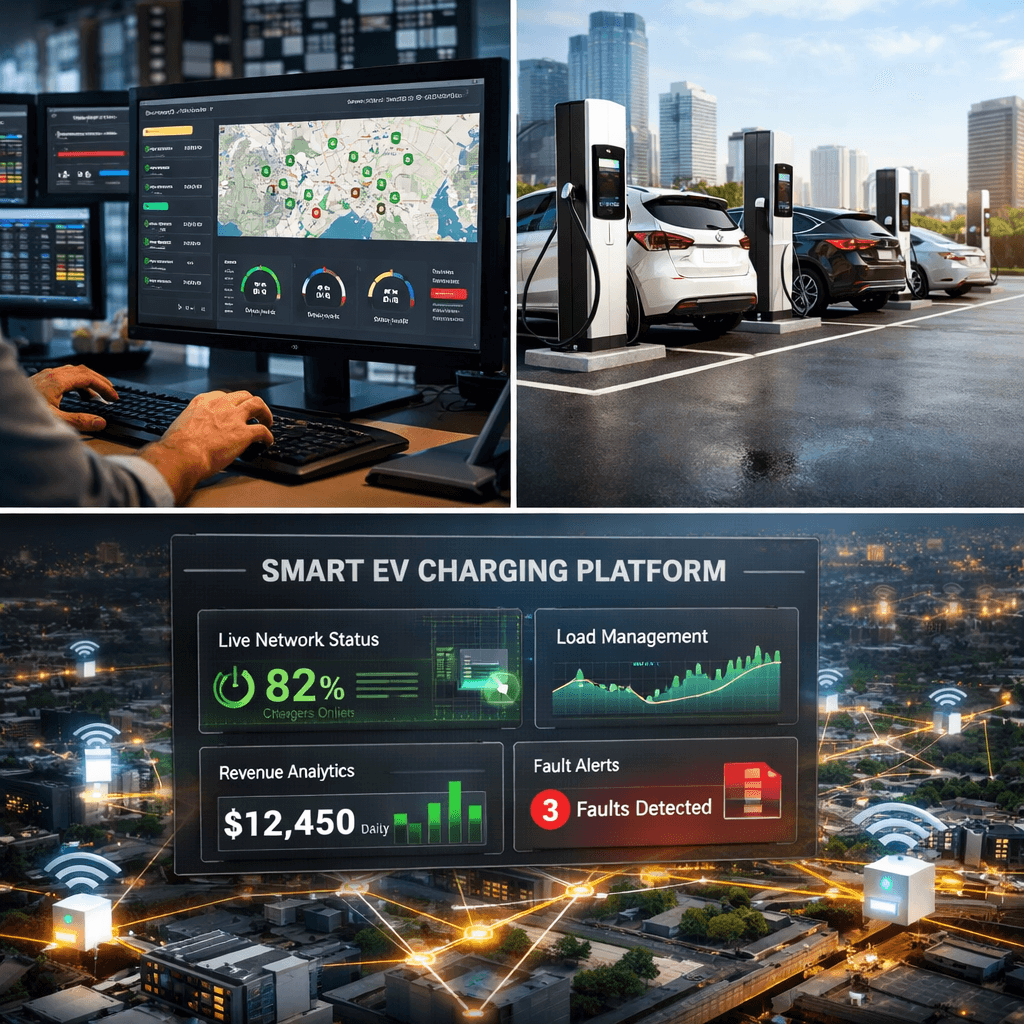
Real-time visibility helps teams identify and respond to charger issues faster.
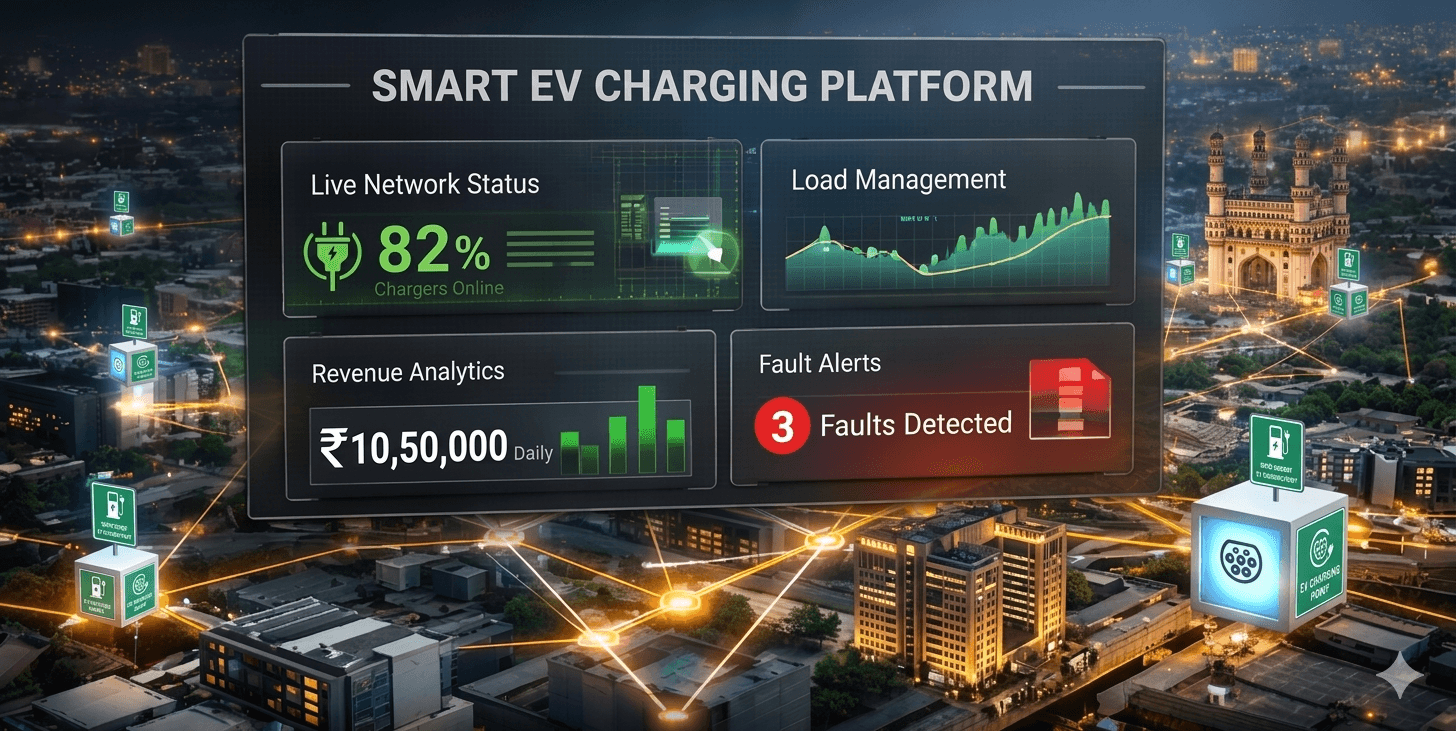
Traditional monitoring is no longer enough because a charger can appear online and still fail to start sessions consistently. A modern EV charging platform should provide visibility at charger, connector, session and site level. It should show what happened, how users may be affected and what the operations team should do next.
Useful software should move operators from “something is wrong” to “here is the issue, its impact and the next action.”
What a future-ready platform should offer
Real-time monitoring and actionable alerts are only the beginning. A scalable platform should also support remote recovery, intelligent load management, user access, pricing, payments, analytics and integrations.
Load management is especially important at commercial and fleet sites where several vehicles may charge at the same time. Smart software can distribute available power between active sessions, helping operators use existing electrical capacity efficiently and avoid unnecessary overloads. This becomes especially valuable across commercial, fleet and destination charging sites, where operating conditions and demand can vary throughout the day.
Scalable charging sites need coordinated power, charger and session management.
Interoperability also matters. Support for open standards gives operators greater flexibility to connect different charger brands, applications, roaming partners and business systems. A platform that works for a small network should continue working as the operator expands to hundreds or thousands of chargers.
Operational intelligence creates the advantage
Analytics can turn everyday charging activity into better business decisions. Operators can compare uptime, utilisation, energy consumption, revenue and recurring fault patterns across locations. These insights help teams plan maintenance, improve pricing, identify weak-performing sites and decide where future expansion is most likely to succeed.
Operational intelligence helps teams move from reactive support to proactive network management.
Hardware installs the charging network. Software protects its performance. As competition increases, the strongest operators will not be defined only by how many chargers they deploy, but by how reliably those chargers work and how efficiently the network is managed.
Installing chargers builds a network.
Smart software keeps that network visible, reliable and ready to scale.
By Nexinev • 5-minute read
Electric vehicle adoption is growing across cities, highways, offices, residential communities and fleet hubs. While the industry often focuses on installing more chargers, the bigger long-term challenge is managing those chargers reliably once they are live.
For a driver, charging should feel simple: plug in, start the session and continue the journey. Behind that experience, however, several systems must work together. Operators need to know whether each charger is online, whether a connector is available, whether the session started correctly, how much energy was delivered and whether the payment was completed.
The Hidden Complexity behind every charging network
As a network grows, operators must also manage tariffs, user access, remote commands, fault alerts, load limits, refunds, reporting and third-party integrations. When this information is spread across different portals or spreadsheets, teams spend more time finding the issue than solving it.
Real-time visibility helps teams identify and respond to charger issues faster.
Traditional monitoring is no longer enough because a charger can appear online and still fail to start sessions consistently. A modern EV charging platform should provide visibility at charger, connector, session and site level. It should show what happened, how users may be affected and what the operations team should do next.
Useful software should move operators from “something is wrong” to “here is the issue, its impact and the next action.”
What a future-ready platform should offer
Real-time monitoring and actionable alerts are only the beginning. A scalable platform should also support remote recovery, intelligent load management, user access, pricing, payments, analytics and integrations.
Load management is especially important at commercial and fleet sites where several vehicles may charge at the same time. Smart software can distribute available power between active sessions, helping operators use existing electrical capacity efficiently and avoid unnecessary overloads. This becomes especially valuable across commercial, fleet and destination charging sites, where operating conditions and demand can vary throughout the day.
Scalable charging sites need coordinated power, charger and session management.
Interoperability also matters. Support for open standards gives operators greater flexibility to connect different charger brands, applications, roaming partners and business systems. A platform that works for a small network should continue working as the operator expands to hundreds or thousands of chargers.
Operational intelligence creates the advantage
Analytics can turn everyday charging activity into better business decisions. Operators can compare uptime, utilisation, energy consumption, revenue and recurring fault patterns across locations. These insights help teams plan maintenance, improve pricing, identify weak-performing sites and decide where future expansion is most likely to succeed.
Operational intelligence helps teams move from reactive support to proactive network management.
Hardware installs the charging network. Software protects its performance. As competition increases, the strongest operators will not be defined only by how many chargers they deploy, but by how reliably those chargers work and how efficiently the network is managed.



The Future of EV Charging
Why CPOs Need a Smarter Software Platform in 2026

How to Improve EV Charger Uptime
A Practical Guide for CPOs

EV Charging Trends that will impact your network
Focus on scaling and growing your EV networks

How top CPOs Build scalable Networks
The Operational Foundation
The Future of EV Charging
Why CPOs Need a Smarter Software Platform in 2026
How to Improve EV Charger Uptime
A Practical Guide for CPOs
EV Charging Trends that will impact your network
Focus on scaling and growing your EV networks
How top CPOs Build scalable Networks
The Operational Foundation

Ready to Run EV Charging Operations at Scale?
Join us like our customers who trust NEXINEV to power their charging infrastructure.
The Future of EV Charging: Why CPOs Need a Smarter Software Platform in 2026
Installing chargers builds a network. Smart software keeps that network visible, reliable and ready to scale.
By Nexinev • 5-minute read
Electric vehicle adoption is growing across cities, highways, offices, residential communities and fleet hubs. While the industry often focuses on installing more chargers, the bigger long-term challenge is managing those chargers reliably once they are live.
For a driver, charging should feel simple: plug in, start the session and continue the journey. Behind that experience, however, several systems must work together. Operators need to know whether each charger is online, whether a connector is available, whether the session started correctly, how much energy was delivered and whether the payment was completed.


The Hidden Complexity behind every charging network
As a network grows, operators must also manage tariffs, user access, remote commands, fault alerts, load limits, refunds, reporting and third-party integrations. When this information is spread across different portals or spreadsheets, teams spend more time finding the issue than solving it.
Real-time visibility helps teams identify and respond to charger issues faster.
Traditional monitoring is no longer enough because a charger can appear online and still fail to start sessions consistently. A modern EV charging platform should provide visibility at charger, connector, session and site level. It should show what happened, how users may be affected and what the operations team should do next.
Useful software should move operators from “something is wrong” to “here is the issue, its impact and the next action.”
The Hidden Complexity behind every charging network
As a network grows, operators must also manage tariffs, user access, remote commands, fault alerts, load limits, refunds, reporting and third-party integrations. When this information is spread across different portals or spreadsheets, teams spend more time finding the issue than solving it.
Real-time visibility helps teams identify and respond to charger issues faster.
Traditional monitoring is no longer enough because a charger can appear online and still fail to start sessions consistently. A modern EV charging platform should provide visibility at charger, connector, session and site level. It should show what happened, how users may be affected and what the operations team should do next.
Useful software should move operators from “something is wrong” to “here is the issue, its impact and the next action.”
Why Traditional Monitoring Isn’t Enough Anymore
Why Traditional Monitoring Isn’t Enough Anymore
Many operators still rely on:
Manual monitoring
Disconnected systems
Limited real-time visibility
This leads to:
Slow fault detection
High maintenance costs
Low charger utilization
Reduced driver trust
Modern EV networks demand real-time control, automation, and scalability.
What a future-ready platform should offer
Real-time monitoring and actionable alerts are only the beginning. A scalable platform should also support remote recovery, intelligent load management, user access, pricing, payments, analytics and integrations.
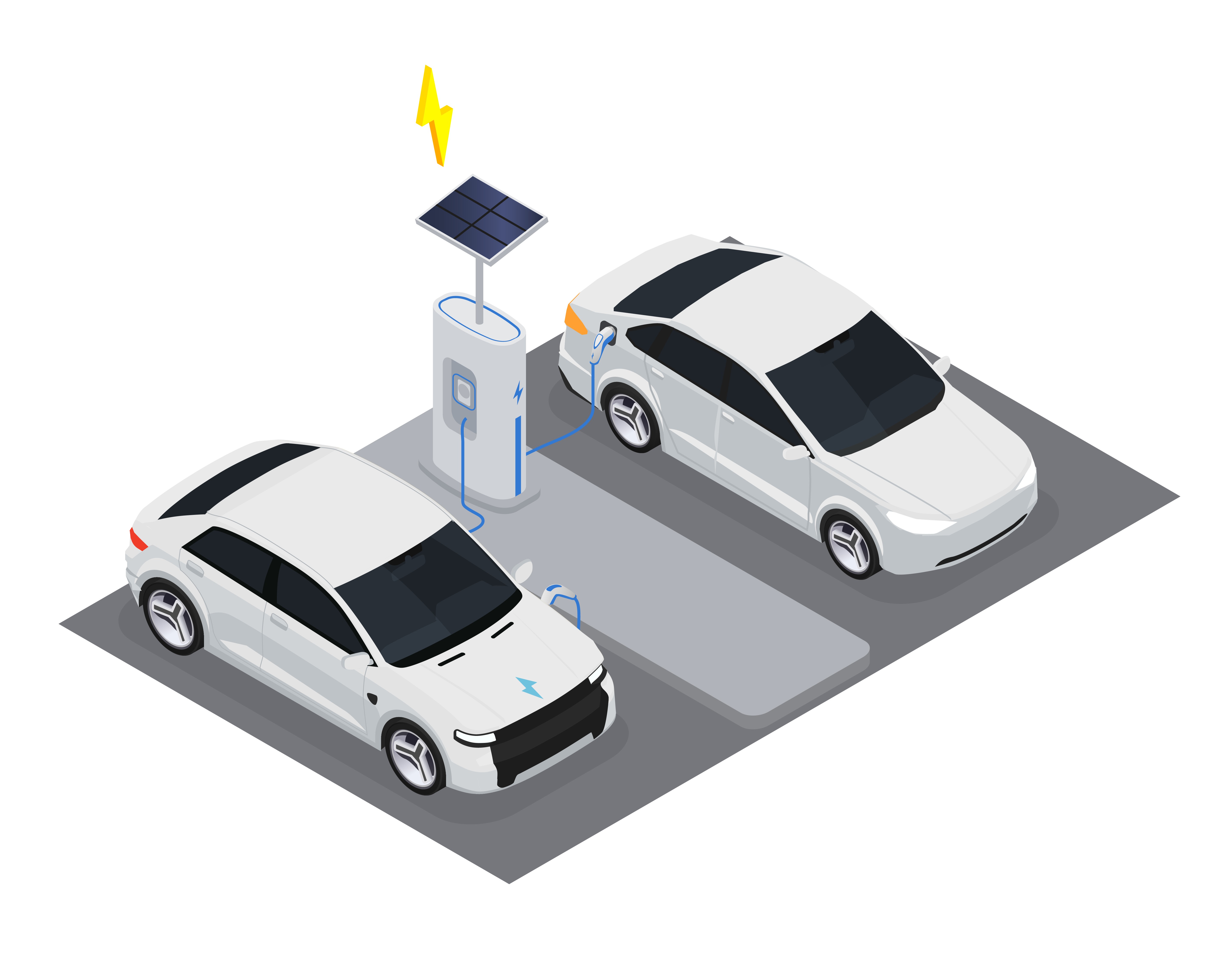
Load management is especially important at commercial and fleet sites where several vehicles may charge at the same time. Smart software can distribute available power between active sessions, helping operators use existing electrical capacity efficiently and avoid unnecessary overloads. This becomes especially valuable across commercial, fleet and destination charging sites, where operating conditions and demand can vary throughout the day.
Scalable charging sites need coordinated power, charger and session management.
Interoperability also matters. Support for open standards gives operators greater flexibility to connect different charger brands, applications, roaming partners and business systems. A platform that works for a small network should continue working as the operator expands to hundreds or thousands of chargers.
Many operators still rely on:
Manual monitoring
Disconnected systems
Limited real-time visibility
This leads to:
Slow fault detection
High maintenance costs
Low charger utilization
Reduced driver trust
Modern EV networks demand real-time control, automation, and scalability.
What a Future-Ready EV Platform Should Offer

A next-generation platform must go beyond basic monitoring. It should deliver:
· Real-Time Network Visibility
· Intelligent Load Management
· Modular & Scalable Architecture
· Interoperability
· Advanced Analytics


The shift & support from Hardware-Centric to Software-Led Operations
Hardware installs networks.
Software scales them. It becomes the operational backbone of the charging ecosystem.
As EV adoption grows, CPOs who invest in intelligent software platforms gain:
Higher uptime
Predictable revenue streams
Lower operational costs
Better driver retention
Stronger enterprise partnerships


The Competitive Edge Is Operational Intelligence
Operational intelligence creates the advantage
Analytics can turn everyday charging activity into better business decisions. Operators can compare uptime, utilisation, energy consumption, revenue and recurring fault patterns across locations. These insights help teams plan maintenance, improve pricing, identify weak-performing sites and decide where future expansion is most likely to succeed.
Operational intelligence helps teams move from reactive support to proactive network management.
Hardware installs the charging network. Software protects its performance. As competition increases, the strongest operators will not be defined only by how many chargers they deploy, but by how reliably those chargers work and how efficiently the network is managed.
The Future of EV charging
Why CPOs Need a Smarter Software Platform in 2026
How top CPOs Build scalable Networks
The Operational Foundation
How to Improve EV Charger Uptime
A Practical Guide for CPOs
EV Charging Trends that will impact your network
Focus on scaling and growing your EV networks
Ready to Run EV Charging Operations at Scale?
Join us like our customers who trust NEXINEV to power their charging infrastructure.
Ready to Run EV Charging Operations at Scale?
Join us like our customers who trust NEXINEV to power their charging infrastructure.