

EV Charging Trends That Will Impact Your Network
EV Charging Trends That Will Impact Your Network

The next phase of EV charging growth will be defined by how well networks are operated—not only by how many chargers are installed.
By Nexinev • 5-minute read
EV charging networks are expanding across cities, highways, offices, residential communities and fleet locations. As that footprint grows, Charge Point Operators must manage more chargers, users, sessions, tariffs, faults and energy constraints at the same time.
This changes the meaning of scale. A network is not truly scalable if every new location creates another manual process. Sustainable growth depends on an operational foundation that keeps the network visible, reliable, commercially flexible and ready for future demand.
Network Growth Will Become Operations-Led
Installing chargers creates the physical network. The systems behind them determine whether that network can grow without losing control. As sites increase, operators need one view of charger status, connector availability, active sessions, fault activity, revenue flow and site performance.
Centralised management turns a larger network into one coordinated operation instead of a collection of disconnected locations. It also gives teams the information needed to act earlier, prioritise maintenance and make better expansion decisions.
Reliability will become a growth priority
Uptime affects driver confidence, partner trust and revenue. Real-time monitoring, automated alerts and preventive maintenance will become essential as delayed fault detection grows more costly across larger networks.
Remote diagnostics will improve response
Operators will increasingly investigate faults and complete supported actions remotely before dispatching field teams. This reduces unnecessary visits and helps technicians arrive with better information when site support is required.
Different charging segments will need flexible operations
Public, workplace, residential, commercial and fleet charging may need different tariffs, access rules, reports and service levels. A scalable platform must support those differences without creating separate manual workflows.
Intelligent load management will protect capacity
Fleet depots and commercial hubs often charge several vehicles at once. Intelligent load management distributes available power across active sessions so sites can operate within electrical limits and use existing capacity more efficiently.
Interoperability will support broader expansion
Growing networks may include different charger brands, applications and business systems. Open standards and integrations give operators more flexibility to connect technology without rebuilding their operating model whenever the network expands.
Analytics will guide smarter expansion
Utilisation, energy delivered, successful sessions, recurring faults and revenue trends show which sites are ready for more capacity and which need improvement first. Growth decisions will increasingly depend on network performance, not charger count alone.
What a Growth-Ready Platform Should Support
A platform designed for long-term growth should support the full operating cycle—from network visibility and fault response to commercial controls, load management and performance analysis.
Scale Without Repeating the Same Problems
Growth should strengthen the business behind the charging network. When visibility, reliability, commercial controls, energy management and analytics work together, operators can add chargers and locations with greater confidence.
The real measure of scalability is the ability to grow without repeating the same operational problem at a larger scale.
Build operational visibility before the network becomes difficult to manage.
Use remote diagnostics and preventive maintenance to protect uptime.
Support different charging segments through flexible tariffs and access rules.
Let site performance data guide maintenance and expansion priorities.
Build a Network That Is Ready to Grow
The future of EV charging belongs to networks that are visible, reliable and easier to operate at scale. Nexin EV brings together real-time monitoring, remote diagnostics, centralised management, alerts, tariffs, load management and actionable analytics—helping operators launch, operate and grow high-performing charging networks.

The Trends shaping network scale

The strongest trends share one requirement: every new charger, customer and location must be added without repeating the same operational challenges at a larger scale.


The next phase of EV charging growth will be defined by how well networks are operated—not only by how many chargers are installed.
By Nexinev • 5-minute read
EV charging networks are expanding across cities, highways, offices, residential communities and fleet locations. As that footprint grows, Charge Point Operators must manage more chargers, users, sessions, tariffs, faults and energy constraints at the same time.
This changes the meaning of scale. A network is not truly scalable if every new location creates another manual process. Sustainable growth depends on an operational foundation that keeps the network visible, reliable, commercially flexible and ready for future demand.
Network Growth Will Become Operations-Led
Installing chargers creates the physical network. The systems behind them determine whether that network can grow without losing control. As sites increase, operators need one view of charger status, connector availability, active sessions, fault activity, revenue flow and site performance.
Centralised management turns a larger network into one coordinated operation instead of a collection of disconnected locations. It also gives teams the information needed to act earlier, prioritise maintenance and make better expansion decisions.
Reliability will become a growth priority
Uptime affects driver confidence, partner trust and revenue. Real-time monitoring, automated alerts and preventive maintenance will become essential as delayed fault detection grows more costly across larger networks.
Remote diagnostics will improve response
Operators will increasingly investigate faults and complete supported actions remotely before dispatching field teams. This reduces unnecessary visits and helps technicians arrive with better information when site support is required.
Different charging segments will need flexible operations
Public, workplace, residential, commercial and fleet charging may need different tariffs, access rules, reports and service levels. A scalable platform must support those differences without creating separate manual workflows.
Intelligent load management will protect capacity
Fleet depots and commercial hubs often charge several vehicles at once. Intelligent load management distributes available power across active sessions so sites can operate within electrical limits and use existing capacity more efficiently.
Interoperability will support broader expansion
Growing networks may include different charger brands, applications and business systems. Open standards and integrations give operators more flexibility to connect technology without rebuilding their operating model whenever the network expands.
Analytics will guide smarter expansion
Utilisation, energy delivered, successful sessions, recurring faults and revenue trends show which sites are ready for more capacity and which need improvement first. Growth decisions will increasingly depend on network performance, not charger count alone.
What a Growth-Ready Platform Should Support
A platform designed for long-term growth should support the full operating cycle—from network visibility and fault response to commercial controls, load management and performance analysis.
Scale Without Repeating the Same Problems
Growth should strengthen the business behind the charging network. When visibility, reliability, commercial controls, energy management and analytics work together, operators can add chargers and locations with greater confidence.
The real measure of scalability is the ability to grow without repeating the same operational problem at a larger scale.
Build operational visibility before the network becomes difficult to manage.
Use remote diagnostics and preventive maintenance to protect uptime.
Support different charging segments through flexible tariffs and access rules.
Let site performance data guide maintenance and expansion priorities.
Build a Network That Is Ready to Grow
The future of EV charging belongs to networks that are visible, reliable and easier to operate at scale. Nexin EV brings together real-time monitoring, remote diagnostics, centralised management, alerts, tariffs, load management and actionable analytics—helping operators launch, operate and grow high-performing charging networks.

The Future of EV Charging
Why CPOs Need a Smarter Software Platform in 2026

How to Improve EV Charger Uptime
A Practical Guide for CPOs

EV Charging Trends that will impact your network
Focus on scaling and growing your EV networks

How top CPOs Build scalable Networks
The Operational Foundation
The Future of EV Charging
Why CPOs Need a Smarter Software Platform in 2026
How to Improve EV Charger Uptime
A Practical Guide for CPOs
EV Charging Trends that will impact your network
Focus on scaling and growing your EV networks
How top CPOs Build scalable Networks
The Operational Foundation

Ready to Run EV Charging Operations at Scale?
Join us like our customers who trust NEXINEV to power their charging infrastructure.
EV Charging Trends That Will Impact Your Network
The next phase of EV charging growth will be defined by how well networks are operated—not only by how many chargers are installed.
By Nexinev • 5-minute read
EV charging networks are expanding across cities, highways, offices, residential communities and fleet locations. As that footprint grows, Charge Point Operators must manage more chargers, users, sessions, tariffs, faults and energy constraints at the same time.
This changes the meaning of scale. A network is not truly scalable if every new location creates another manual process. Sustainable growth depends on an operational foundation that keeps the network visible, reliable, commercially flexible and ready for future demand..


Network Growth Will Become Operations-Led
Installing chargers creates the physical network. The systems behind them determine whether that network can grow without losing control. As sites increase, operators need one view of charger status, connector availability, active sessions, fault activity, revenue flow and site performance.
Centralised management turns a larger network into one coordinated operation instead of a collection of disconnected locations. It also gives teams the information needed to act earlier, prioritise maintenance and make better expansion decisions.
The Hidden Complexity behind every charging network
As a network grows, operators must also manage tariffs, user access, remote commands, fault alerts, load limits, refunds, reporting and third-party integrations. When this information is spread across different portals or spreadsheets, teams spend more time finding the issue than solving it.
Real-time visibility helps teams identify and respond to charger issues faster.
Traditional monitoring is no longer enough because a charger can appear online and still fail to start sessions consistently. A modern EV charging platform should provide visibility at charger, connector, session and site level. It should show what happened, how users may be affected and what the operations team should do next.
Useful software should move operators from “something is wrong” to “here is the issue, its impact and the next action.”
Why Traditional Monitoring Isn’t Enough Anymore
Why Traditional Monitoring Isn’t Enough Anymore
Many operators still rely on:
Manual monitoring
Disconnected systems
Limited real-time visibility
This leads to:
Slow fault detection
High maintenance costs
Low charger utilization
Reduced driver trust
Modern EV networks demand real-time control, automation, and scalability.
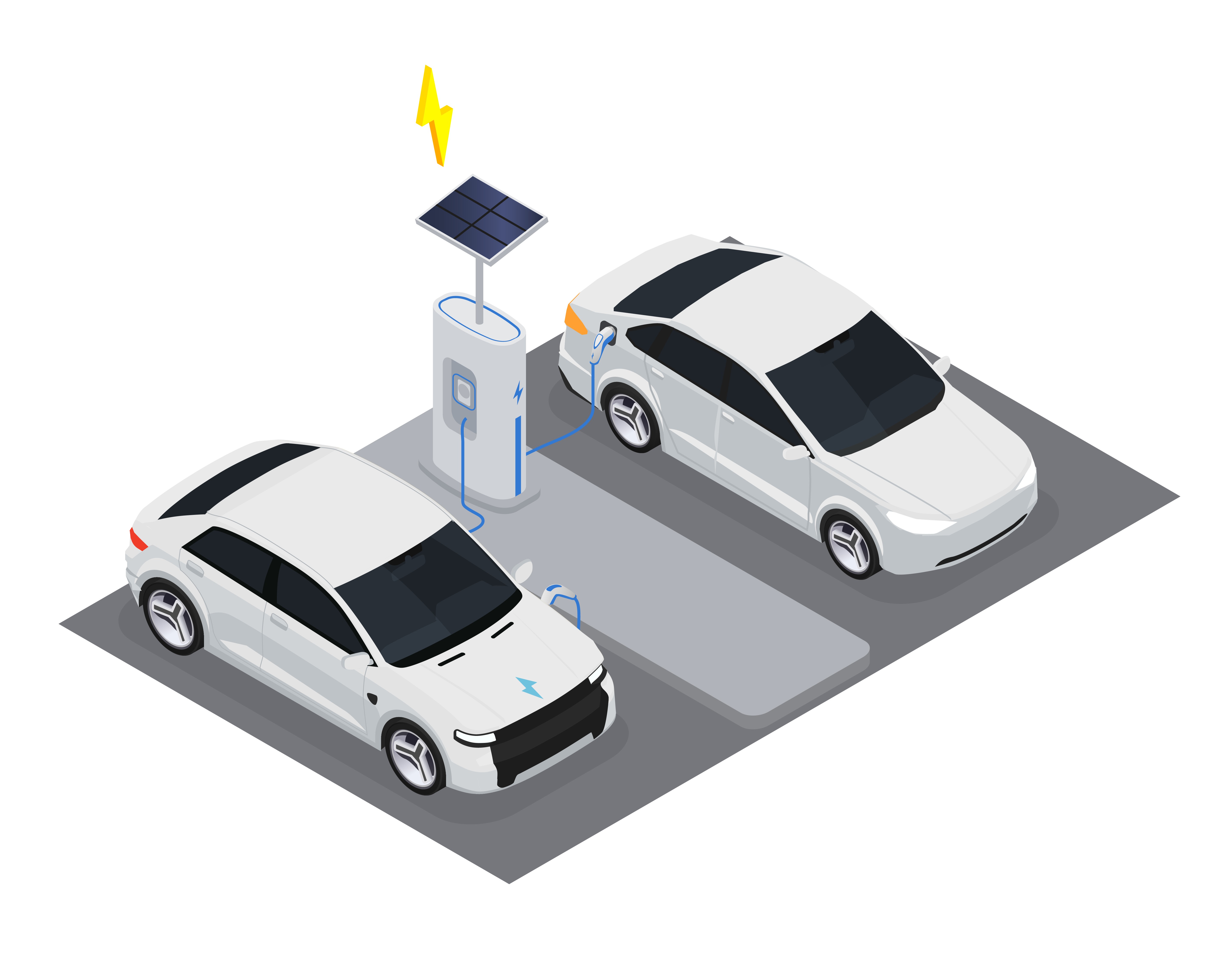

Reliability will become a growth priority
Uptime affects driver confidence, partner trust and revenue. Real-time monitoring, automated alerts and preventive maintenance will become essential as delayed fault detection grows more costly across larger networks.
Remote diagnostics will improve response
Operators will increasingly investigate faults and complete supported actions remotely before dispatching field teams. This reduces unnecessary visits and helps technicians arrive with better information when site support is required.
Different charging segments will need flexible operations
Public, workplace, residential, commercial and fleet charging may need different tariffs, access rules, reports and service levels. A scalable platform must support those differences without creating separate manual workflows.
Intelligent load management will protect capacity
Fleet depots and commercial hubs often charge several vehicles at once. Intelligent load management distributes available power across active sessions so sites can operate within electrical limits and use existing capacity more efficiently.
Interoperability will support broader expansion
Growing networks may include different charger brands, applications and business systems. Open standards and integrations give operators more flexibility to connect technology without rebuilding their operating model whenever the network expands.
Analytics will guide smarter expansion
Utilisation, energy delivered, successful sessions, recurring faults and revenue trends show which sites are ready for more capacity and which need improvement first. Growth decisions will increasingly depend on network performance, not charger count alone.
Reliability will become a growth priority
Uptime affects driver confidence, partner trust and revenue. Real-time monitoring, automated alerts and preventive maintenance will become essential as delayed fault detection grows more costly across larger networks.
Remote diagnostics will improve response
Operators will increasingly investigate faults and complete supported actions remotely before dispatching field teams. This reduces unnecessary visits and helps technicians arrive with better information when site support is required.
Different charging segments will need flexible operations
Public, workplace, residential, commercial and fleet charging may need different tariffs, access rules, reports and service levels. A scalable platform must support those differences without creating separate manual workflows.
Intelligent load management will protect capacity
Fleet depots and commercial hubs often charge several vehicles at once. Intelligent load management distributes available power across active sessions so sites can operate within electrical limits and use existing capacity more efficiently.
Interoperability will support broader expansion
Growing networks may include different charger brands, applications and business systems. Open standards and integrations give operators more flexibility to connect technology without rebuilding their operating model whenever the network expands.
Analytics will guide smarter expansion
Utilisation, energy delivered, successful sessions, recurring faults and revenue trends show which sites are ready for more capacity and which need improvement first. Growth decisions will increasingly depend on network performance, not charger count alone.
Many operators still rely on:
Manual monitoring
Disconnected systems
Limited real-time visibility
This leads to:
Slow fault detection
High maintenance costs
Low charger utilization
Reduced driver trust
Modern EV networks demand real-time control, automation, and scalability.
What a Growth-Ready Platform Should Support
A platform designed for long-term growth should support the full operating cycle—from network visibility and fault response to commercial controls, load management and performance analysis.
Scale Without Repeating the Same Problems
Growth should strengthen the business behind the charging network. When visibility, reliability, commercial controls, energy management and analytics work together, operators can add chargers and locations with greater confidence.
The real measure of scalability is the ability to grow without repeating the same operational problem at a larger scale.
Build operational visibility before the network becomes difficult to manage.
Use remote diagnostics and preventive maintenance to protect uptime.
Support different charging segments through flexible tariffs and access rules.
Let site performance data guide maintenance and expansion priorities.
Build a Network That Is Ready to Grow
The future of EV charging belongs to networks that are visible, reliable and easier to operate at scale. Nexin EV brings together real-time monitoring, remote diagnostics, centralised management, alerts, tariffs, load management and actionable analytics—helping operators launch, operate and grow high-performing charging networks.
What a Future-Ready EV Platform Should Offer
A next-generation platform must go beyond basic monitoring. It should deliver:
· Real-Time Network Visibility
· Intelligent Load Management
· Modular & Scalable Architecture
· Interoperability
· Advanced Analytics
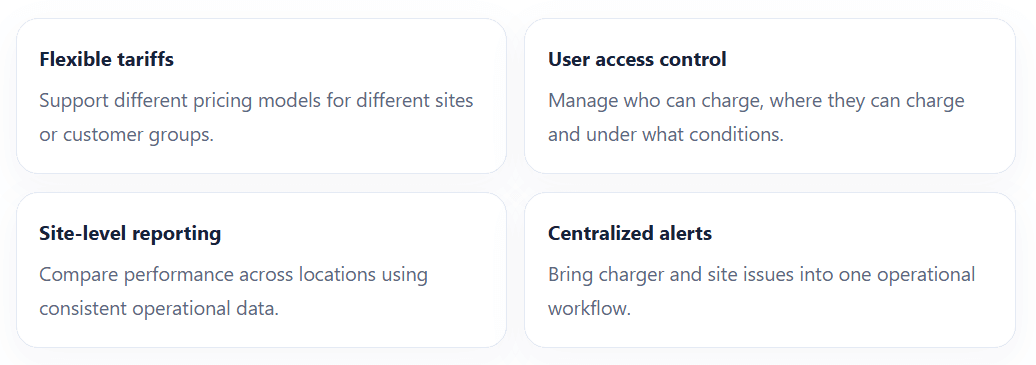

The shift & support from Hardware-Centric to Software-Led Operations
Hardware installs networks.
Software scales them. It becomes the operational backbone of the charging ecosystem.
As EV adoption grows, CPOs who invest in intelligent software platforms gain:
Higher uptime
Predictable revenue streams
Lower operational costs
Better driver retention
Stronger enterprise partnerships


The Competitive Edge Is Operational Intelligence
What a Growth-Ready Platform Should Support
A platform designed for long-term growth should support the full operating cycle—from network visibility and fault response to commercial controls, load management and performance analysis.
Scale Without Repeating the Same Problems
Growth should strengthen the business behind the charging network. When visibility, reliability, commercial controls, energy management and analytics work together, operators can add chargers and locations with greater confidence.
The real measure of scalability is the ability to grow without repeating the same operational problem at a larger scale.
Build operational visibility before the network becomes difficult to manage.
Use remote diagnostics and preventive maintenance to protect uptime.
Support different charging segments through flexible tariffs and access rules.
Let site performance data guide maintenance and expansion priorities.
Build a Network That Is Ready to Grow
The future of EV charging belongs to networks that are visible, reliable and easier to operate at scale. Nexin EV brings together real-time monitoring, remote diagnostics, centralised management, alerts, tariffs, load management and actionable analytics—helping operators launch, operate and grow high-performing charging networks.
More Articles
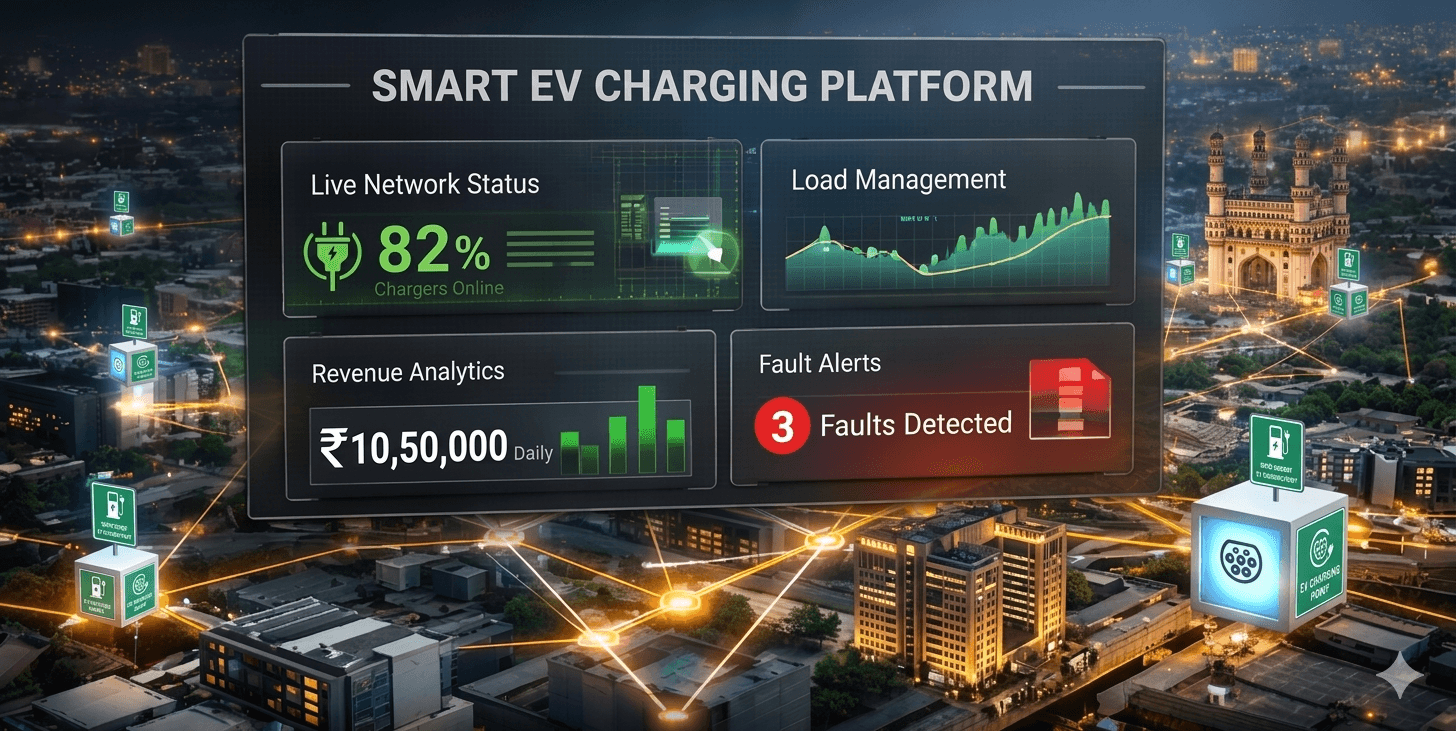
The Future of EV charging
Why CPOs Need a Smarter Software Platform in 2026
How top CPOs Build scalable Networks
The Operational Foundation
How to Improve EV Charger Uptime
A Practical Guide for CPOs
EV Charging Trends that will impact your network
Focus on scaling and growing your EV networks
Ready to Run EV Charging Operations at Scale?
Join us like our customers who trust NEXINEV to power their charging infrastructure.
Ready to Run EV Charging Operations at Scale?
Join us like our customers who trust NEXINEV to power their charging infrastructure.